

Worm Prevention for Pets
If your pet has worms, your vet will do a thorough check to determine the severity of the infestation, and what kind of worm.
If your pet has worms, your vet will do a thorough check to determine the severity of the infestation, and what kind of worm.
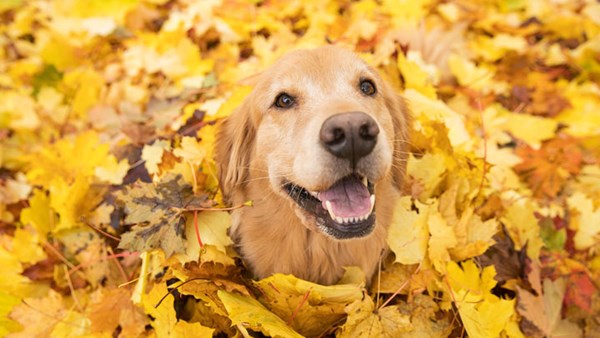

Worming your cat has many benefits and keeps your pet safe from potentially fatal diseases.
Find out more
Worming your rabbit is important to ensure they thrive and stay happy and healthy.
Find out moreThe most common worms are roundworms, hookworms, whipworms and tapeworms, although lungworm is becoming an increasing problem in the UK.
While lungworms live in the respiratory system, all other worms live in the gastrointestinal tract and can be easily treated before they cause serious problems. They can be picked up if your pet eats contaminated soil, faeces or rodents. In fact, many puppies are born with worms that are contracted from their mother’s milk.

Whether your pet needs routine preventative healthcare such as worm treatments or specific veterinary care, our team is committed to providing excellent service.
Register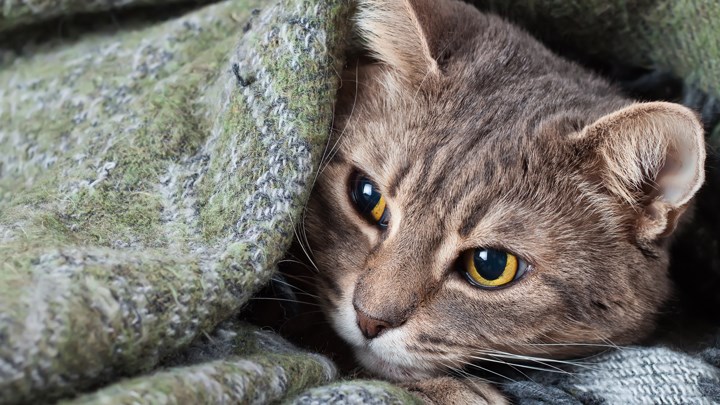
Worms can cause:

To prevent worms, your pet will need worming tablets, which come as part of the Medivet Health Plan which also covers flea and tick treatments as well as other benefits.
Learn more
If you suspect your pet has worms, a vet or nurse will feel their tummy, and look around their back end, where symptoms can sometimes present. Your vet or nurse will ask you what symptoms your pet is presenting, and then prescribe the best course of action which will likely be a worming treatment that you can administer at home.
Humans can catch roundworm, hookworm and whipworm, with children being the most vulnerable. Symptoms include coughing, headaches and stomach pain. In rare cases, roundworm larvae can infect organs and cause severe symptoms like fatigue and weight loss.
The best way to protect your pet is with regular and frequent worm treatment. Prevention is much better than cure. Please don’t hesitate to ask your vet for the best treatment options available for the parasites that occur in your area. You should also carry out other preventative measures, like regularly disinfecting your pet’s food and water bowls to prevent worms. Don’t forget to also clean up after your pet and wash your hands thoroughly afterwards.
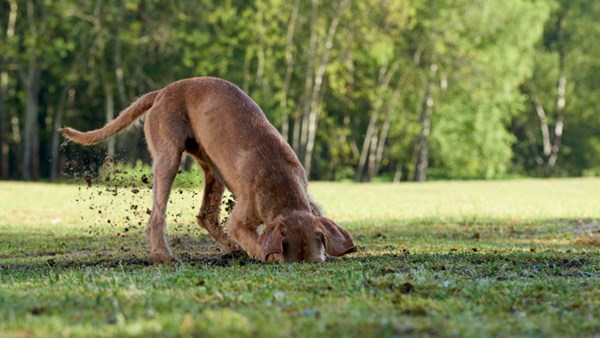
Lungworm in dogs was once rare in the UK but is becoming more common, so it's important to know what causes it and how you can prevent it.
Read article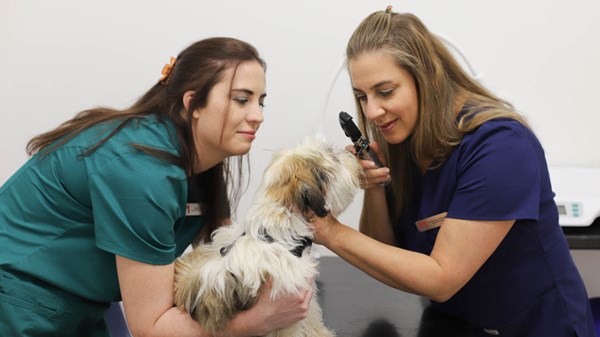
Vaccines, boosters and medical checks are important for maintaining your pet's health.
Read article
Allowing your cat to explore the outside world can be great for their natural instincts and general health. Learn how you can keep them safe from harm.
Read article